 BeforeAfter
Editorial Food Ad
Make every dish look like a gourmet magazine cover.
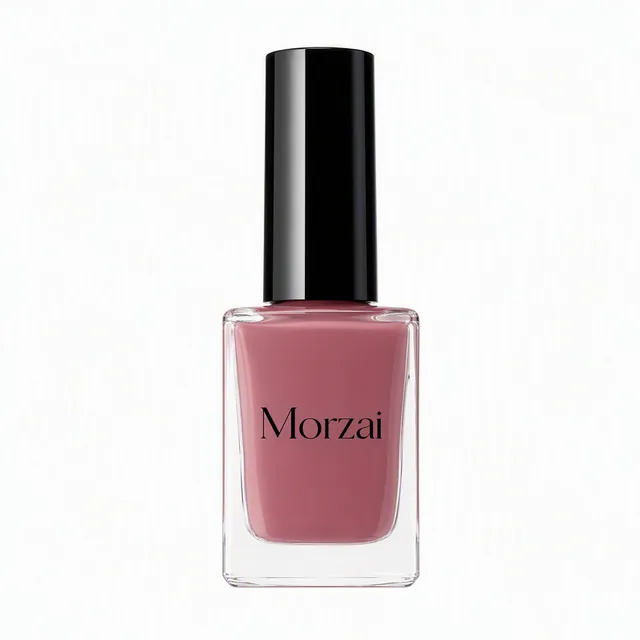
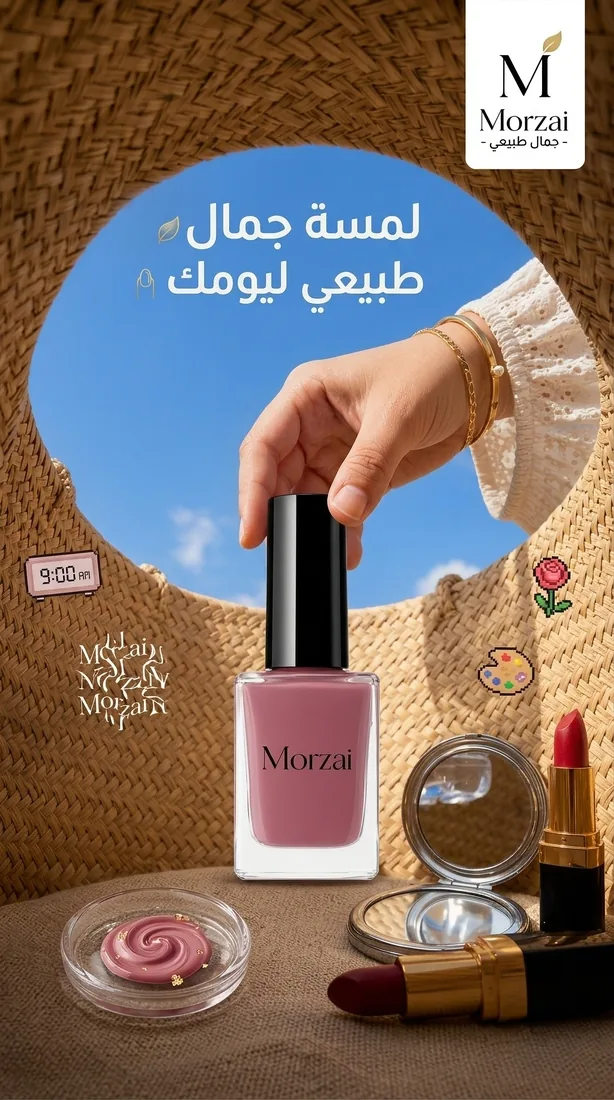
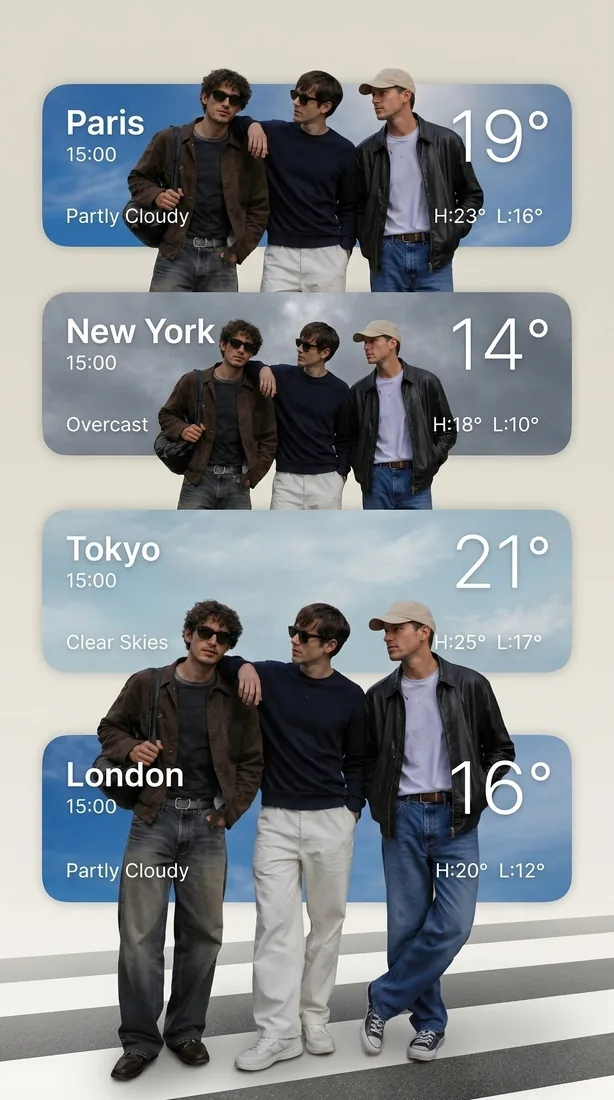
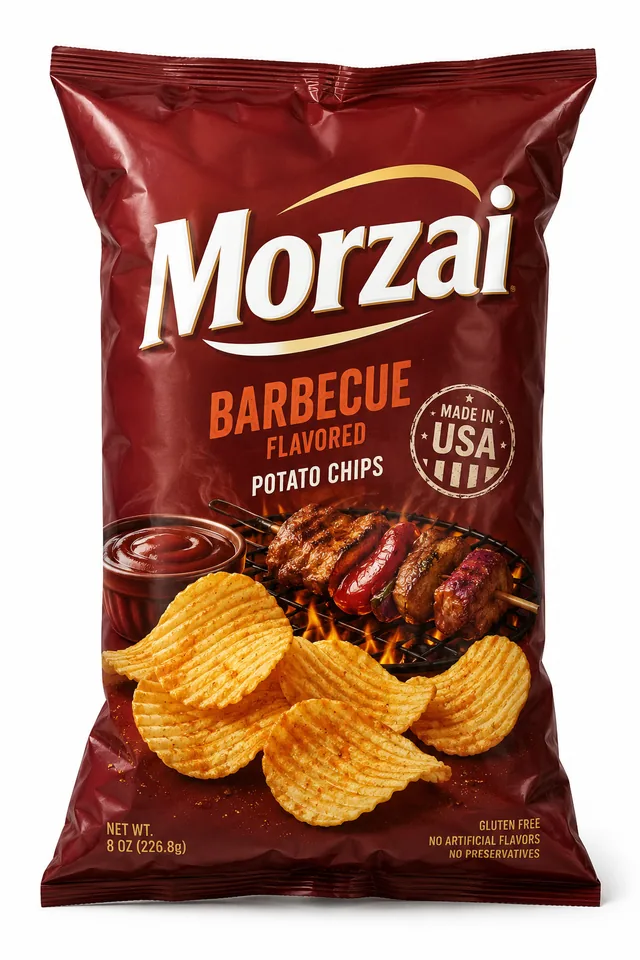
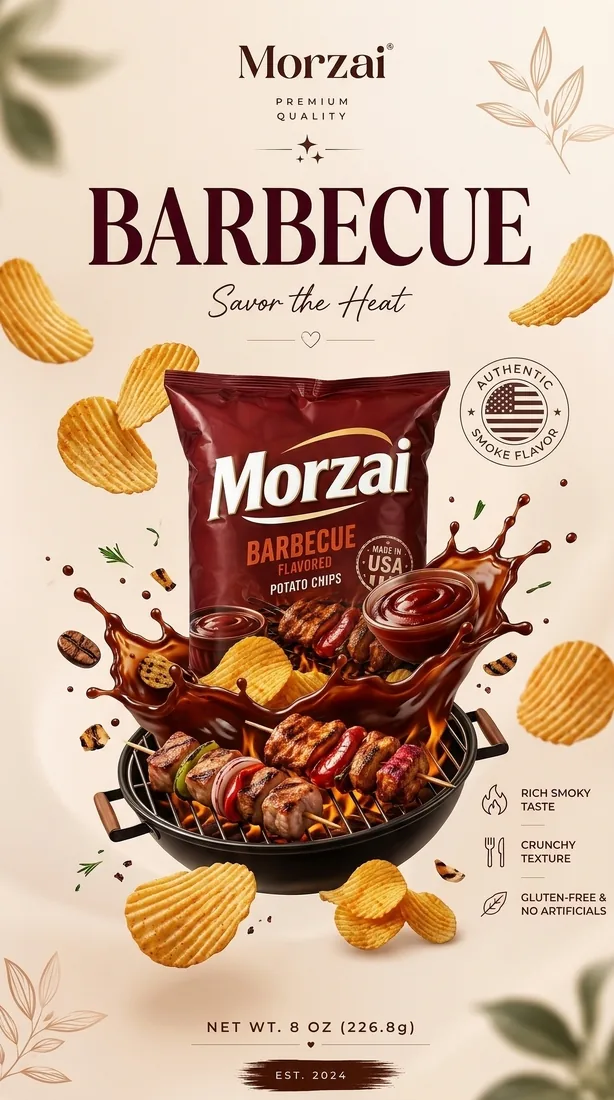
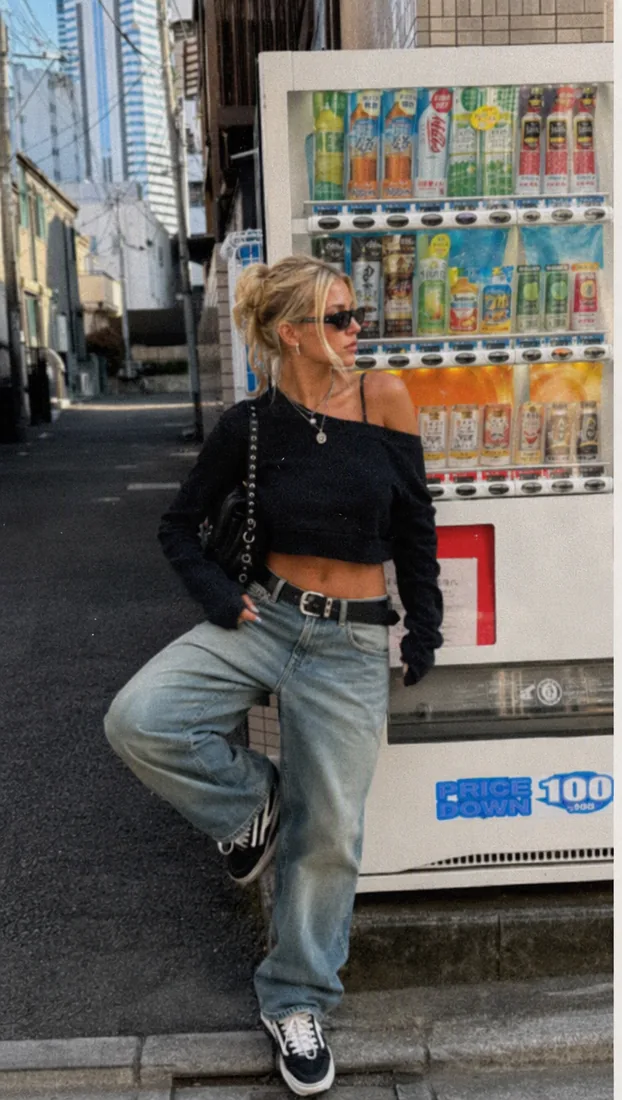
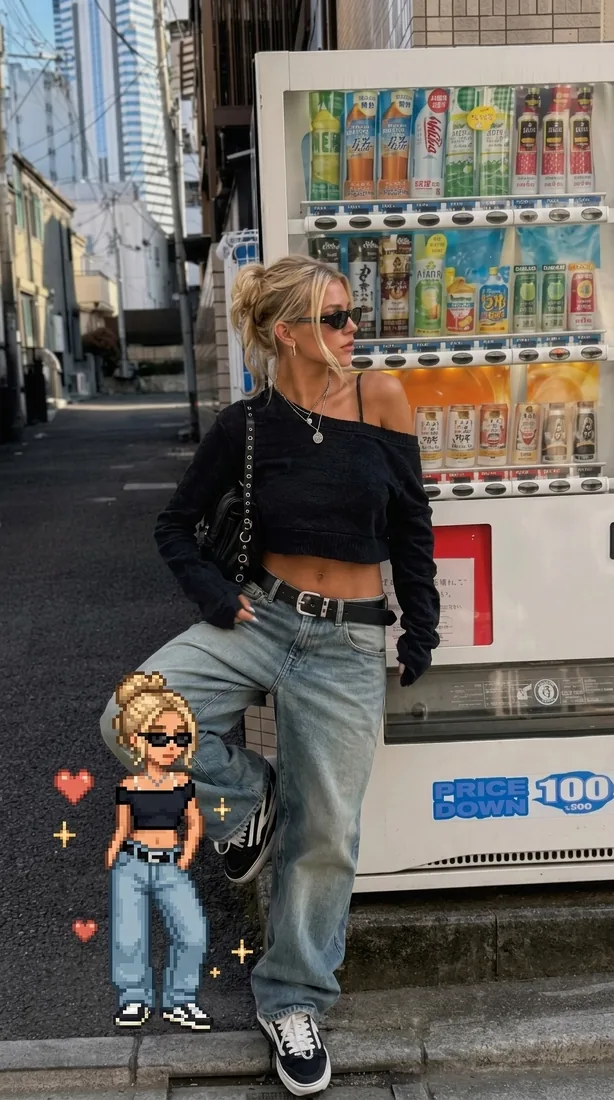
Morzai Viral Image Effect Clone helps creators recreate trending image styles from reference images. Upload a product photo or any photo and a reference image to recreate viral layouts, collages, illustrations, typography, and social media styles in seconds.
BeforeAfter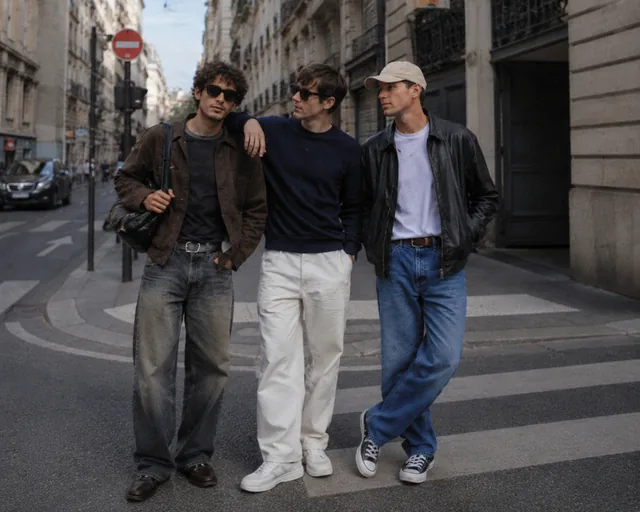
 BeforeAfter
 BeforeAfter
 BeforeAfter
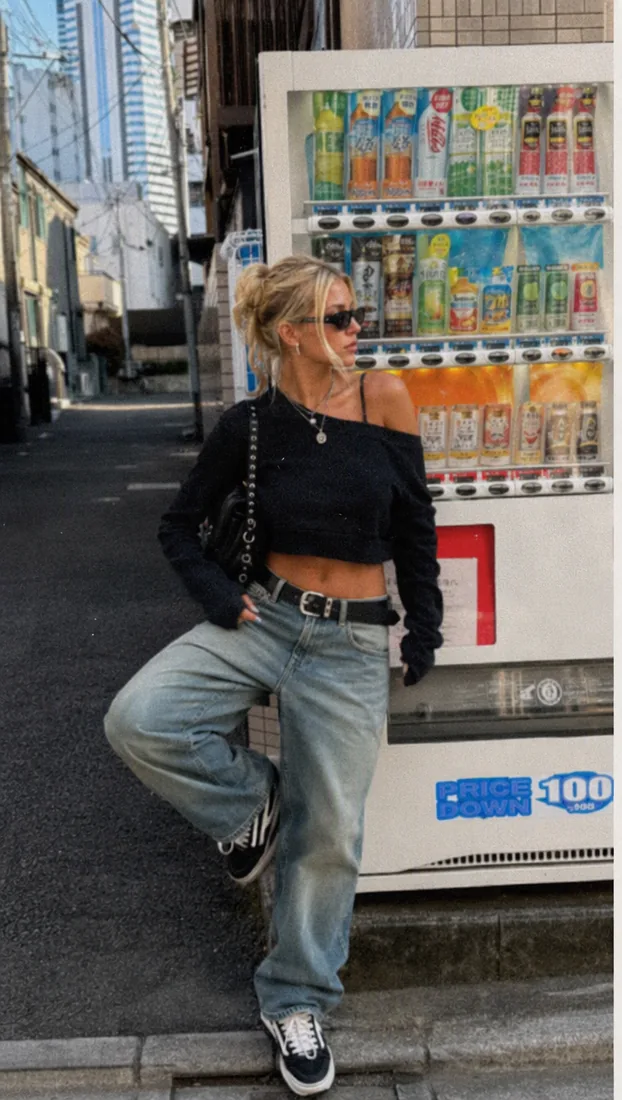
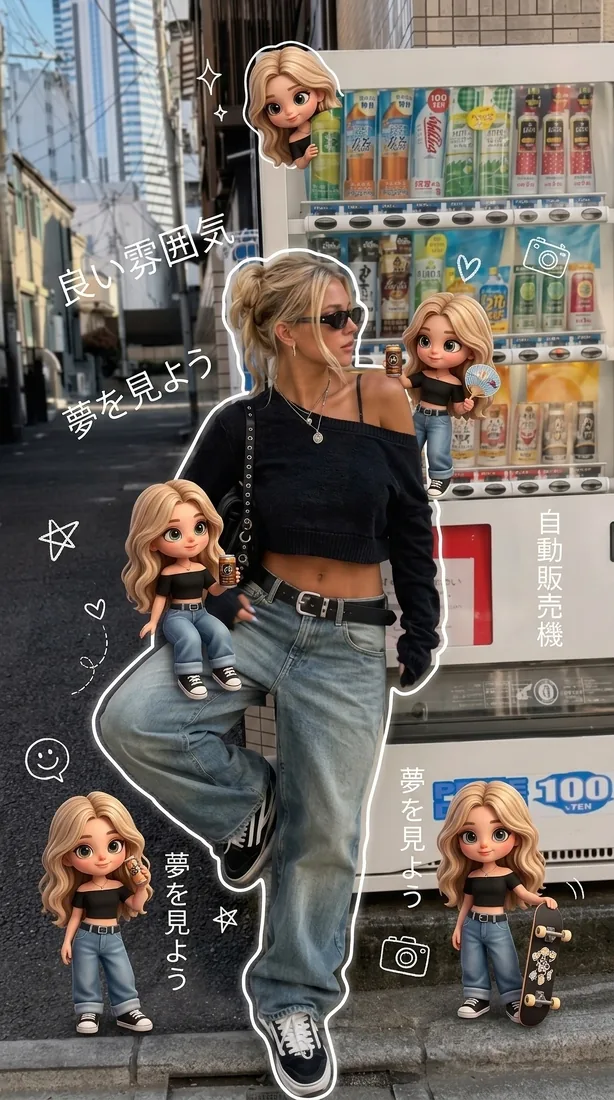 BeforeAfter
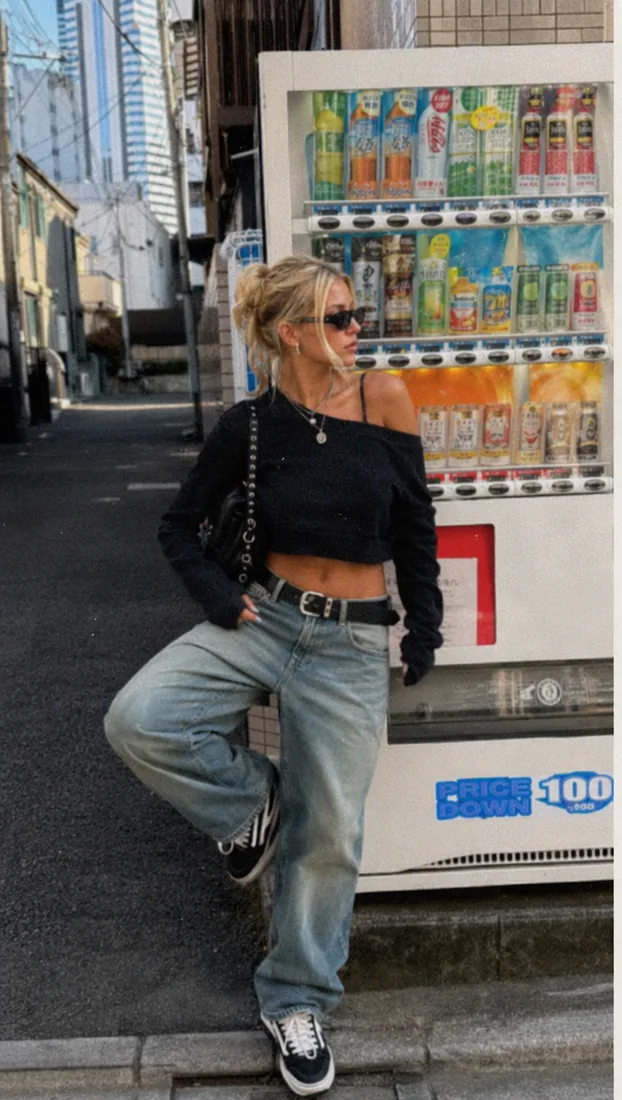
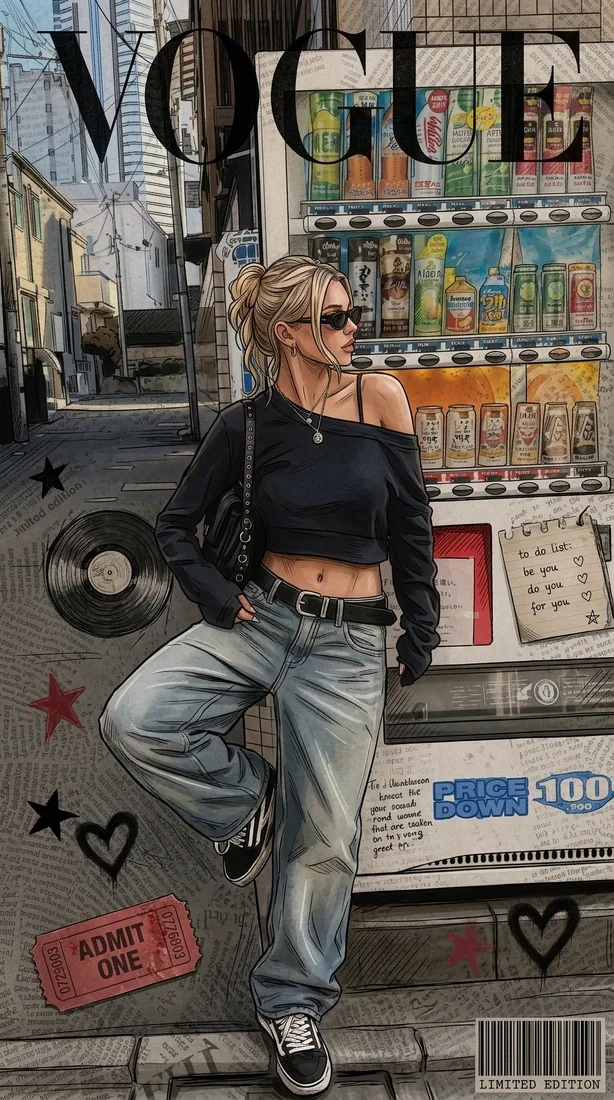 BeforeAfter
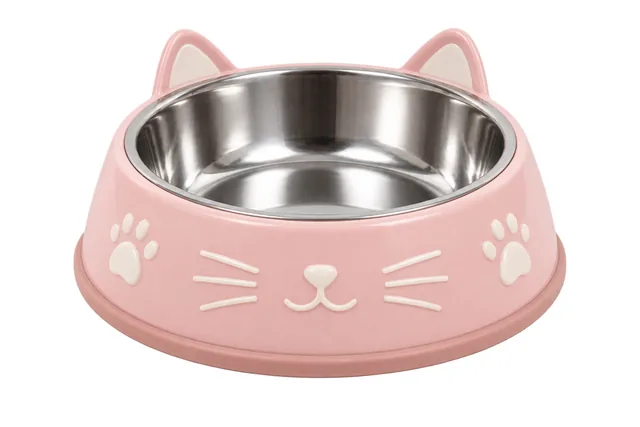
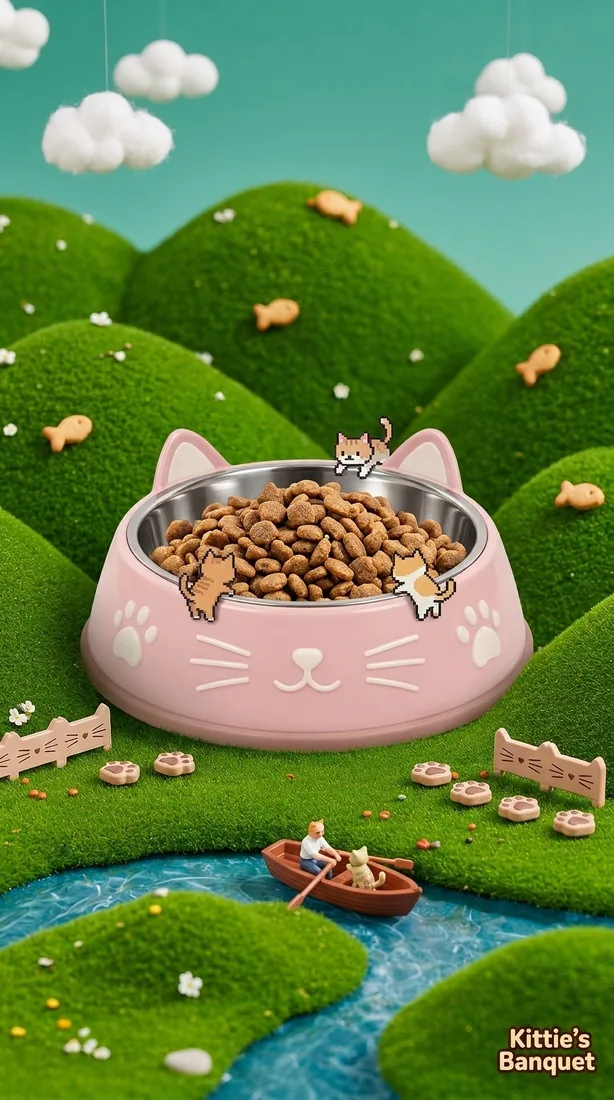 BeforeAfter
Upload the image you want to transform and add a reference for the visual effect.
Describe how you’d like to use the reference—adjust specific styles, add text, remove unwanted elements, and bring your creative vision to life.
Let Morzai analyze the reference and recreate its visual style on your image.
Review the result, then download it for your social posts or creative projects.
Take inspiration from what’s trending to create product images that get more clicks.
Viral Effect Clone helps you recreate the visual treatment of trending social media content—such as collages, editorial layouts, illustrations, stickers, text effects, filters, and UGC-inspired styles—and apply it to your own product photos. It preserves your product while adapting the reference’s overall composition and creative direction.
Social trends move quickly, while recreating a popular visual style manually can take hours. Viral Effect Clone lets you turn an existing product photo into multiple social-ready creative variations without rebuilding every layout from scratch. Research also suggests that presentation matters. A study of 147,963 branded Instagram images found that optimizing visual and design complexity could improve engagement by approximately 19% after accounting for factors such as follower count (NC State University: NC State University).
It is designed for: - E-commerce sellers who need more engaging product creatives - Social media managers responding to new trends - Performance marketers testing multiple ad concepts - Content creators and small businesses without dedicated designers - Creative teams that need to produce variations at scale No advanced design or prompting experience is required.
The feature helps transform a standard product photo into a more distinctive, platform-native visual. You can test attention-grabbing compositions, multi-image collages, UGC looks, seasonal aesthetics, text overlays, and trending graphic treatments. There is evidence that these creative choices can influence performance: Socialinsider’s analysis of 35 million Instagram posts found that carousels recorded a 0.55% engagement rate in 2025, compared with 0.37% for single-image posts—approximately 49% higher on a relative basis (Socialinsider). LinkedIn recommends custom collages containing three to four images and reports that posts with images typically receive twice the comment rate (LinkedIn). A Pinterest trend-led campaign from Dulux achieved a CTR 21% above Pinterest’s internal benchmark (Pinterest). These findings do not guarantee the same result for every product, but they support testing more interactive and trend-relevant visual formats.
You can recreate editorial collages, scrapbook and sticker effects, illustrations, UGC compositions, retro filters, bold typography, seasonal aesthetics, and product comparisons or before-and-after layouts. Choose a reference that fits your product and audience.
They can—but relevance matters more than simply following a trend. A Pinterest Kraft campaign achieved engagement 58% above normal benchmarks, while its UGC content delivered CPC performance 2.1 times better than the relevant benchmark (Pinterest: Pinterest). Trends work best when they connect naturally with the product, audience, and use case.
No tool can guarantee virality. Performance depends on your product, offer, audience, platform, caption, timing, and distribution. Compare the original with generated variations and measure click-through rate, saves, shares, engagement, and conversions.
Yes. Viral Effect Clone keeps the product recognizable while adapting the surrounding style, composition, and effects. Research found that clear, professionally composed, high-quality images consistently generated stronger engagement, while screenshots performed worst (Baylor University: Baylor University).